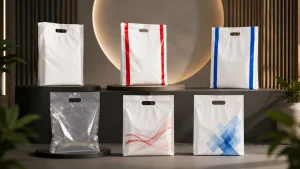
As environmental concerns continue to grow, businesses are shifting towards eco-friendly packaging solutions. Non-woven bags have become a popular alternative to traditional plastic bags, offering both sustainability and practicality.
Non-woven bags are made from bonded fibers rather than woven threads, giving them a soft texture and lightweight structure. Despite their light weight, these bags are strong enough for daily use and can be reused multiple times, reducing the need for single-use plastics.
One of the biggest advantages of non-woven bags is their environmental impact. They are recyclable and reusable, making them a responsible choice for businesses that want to reduce their carbon footprint. By adopting non-woven packaging, companies can enhance their brand image as environmentally conscious organizations.
In addition to sustainability, non-woven bags offer excellent customization options. Businesses can print logos, slogans, and vibrant designs, transforming these bags into effective promotional tools. Every time a customer uses a branded bag, it increases brand exposure and recognition.
These bags are widely used in retail stores, exhibitions, corporate events, and promotional campaigns. Their versatility and stylish appearance make them suitable for a wide range of applications.
From a cost standpoint, non-woven bags are highly affordable, especially when ordered in bulk. Their durability ensures long-term usage, providing better value compared to disposable alternatives.
In summary, non-woven bags represent the future of packaging. They combine sustainability, functionality, and marketing potential, making them an ideal choice for businesses aiming to align with modern environmental and branding trends.